Field Notes · 5 min
Field NotesGuardrail, Not Roadblock.
Getting a security tool adopted without becoming the thing that stalls the sprint.
Read →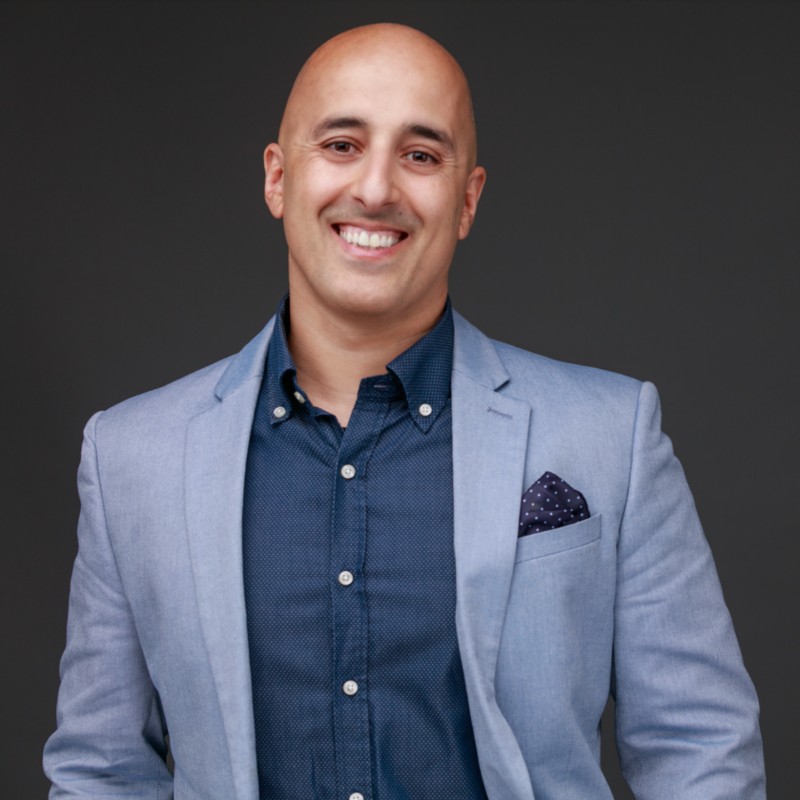
Hi, I’m
Zodi Tagedini
— enterprise security architect
Thirteen years in. I still verify before I trust.
Learned the hard way — written down so you don't have to.
Principles
Every claim gets verified before it's trusted: vendor datasheets, threat intel, and my own assumptions. If I can't trace it to a primary source or reproduce it myself, it doesn't drive a decision. Everything I publish here meets the same bar.
Passing an audit and reducing risk are different outcomes. I rank controls by the exposure they remove, not the checkbox they satisfy. When an environment is compliant but still vulnerable, I say so plainly to the people who own the risk.
Perimeters fail, so I plan for the day after. I design for least privilege, segmentation, and detection, so that anything that gets in can't move far, can't stay long, and can't go unnoticed.
I define success before I look at a product: coverage, detection quality, the cost of false positives, integration effort, and who owns it after go-live. Vendors change every budget cycle. A sound evaluation framework doesn't.
After 13 years, most of this work is pattern recognition, but not all of it. Where the ground is still moving, in agent security, agentic systems, and DSPM/DLP, I say so explicitly and label that work as Field Notes. Being precise about what I don't know is part of the job.
The model isn't the risk. What it's allowed to reach is. I start every agent and data security review with identity and access: who and what can touch sensitive data, and why.
Field Notes · 5 min
Field NotesGetting a security tool adopted without becoming the thing that stalls the sprint.
Read →Security Automation · 7 min
Security AutomationAdding an LLM to your triage workflow means the attacker gets a vote.
Read →Agent Security · 7 min
Agent SecurityEvery employee who leaves gets an offboarding. The agent your team stood up in March never will. Protection that depends on where data sits can't keep up with something whose job is to move it.
Read →Prompt injection as an exfil path, MCP server and tool-permission trust, agent identity, and assistant oversharing.
3 articles →
IAM, SCPs, and the identity boundary that actually decides who can touch what, across AWS and Azure.
2 articles →
Finding shadow data, mapping who can reach it, and stopping exfil without breaking the business.
2 articles →
Rollout playbooks, getting a tool adopted without stalling engineering, and lessons from real deployments.
2 articles →
Low-code playbooks in Tines and n8n: alert triage, enrichment, and the judgment calls about what runs without a human.
2 articles →
Thirteen years securing cloud and data. Lately, hunting shadow assistants with DSPM, DLP, and CASB tools: catching secret keys pasted into chatbots, separating sanctioned assistants from the rest, and closing MCP server gaps before they leak. No slideware. Just hands in the configs and logs.
Now I'm looking for a new team building what's next in agent security.
Ping me. Let's talk shop.